Case Study: On-Site Job Automation Suite
Because "I'll send the paperwork later" shouldn't be a business process
A UK telecom services provider streamlined field job closure and invoicing with automation that reduced admin, improved clarity, and spared engineers from end-of-day paperwork escapades.
When Volume Outgrows Process
The client delivers high volumes of on-site telecoms work across the UK. Each completed job must be evidenced, signed off, and handed into billing with sufficient clarity to satisfy both internal review and customer scrutiny.
In a field-driven model, job closure is not a clerical afterthought - it is the gateway to revenue recognition, customer updates, and operational reporting. When closure slows, everything downstream feels it.
As delivery volumes increased, so did the strain on a process built for a smaller, slower operation.
Friction at the Finish Line
Engineers were required to write free-text notes, attach photos, and manually compile job reports. In principle, straightforward. In practice, variable.
- Closure notes differed widely in structure and clarity, leading to approval delays and avoidable back-and-forth.
- Supervisors lacked real-time visibility, limiting their ability to intervene when priorities shifted mid-day.
- Downstream teams re-keyed job details into billing and CRM systems, introducing errors and elongating invoice cycles.
- Reporting relied on manual collation. Status updates were occasionally missed.
- Internal teams chased clarity; customers chased updates.
None of this was catastrophic. It was simply persistent - and cumulative.
Automating the Last Mile
We introduced an automation suite designed to standardise job closure without disrupting live field delivery.
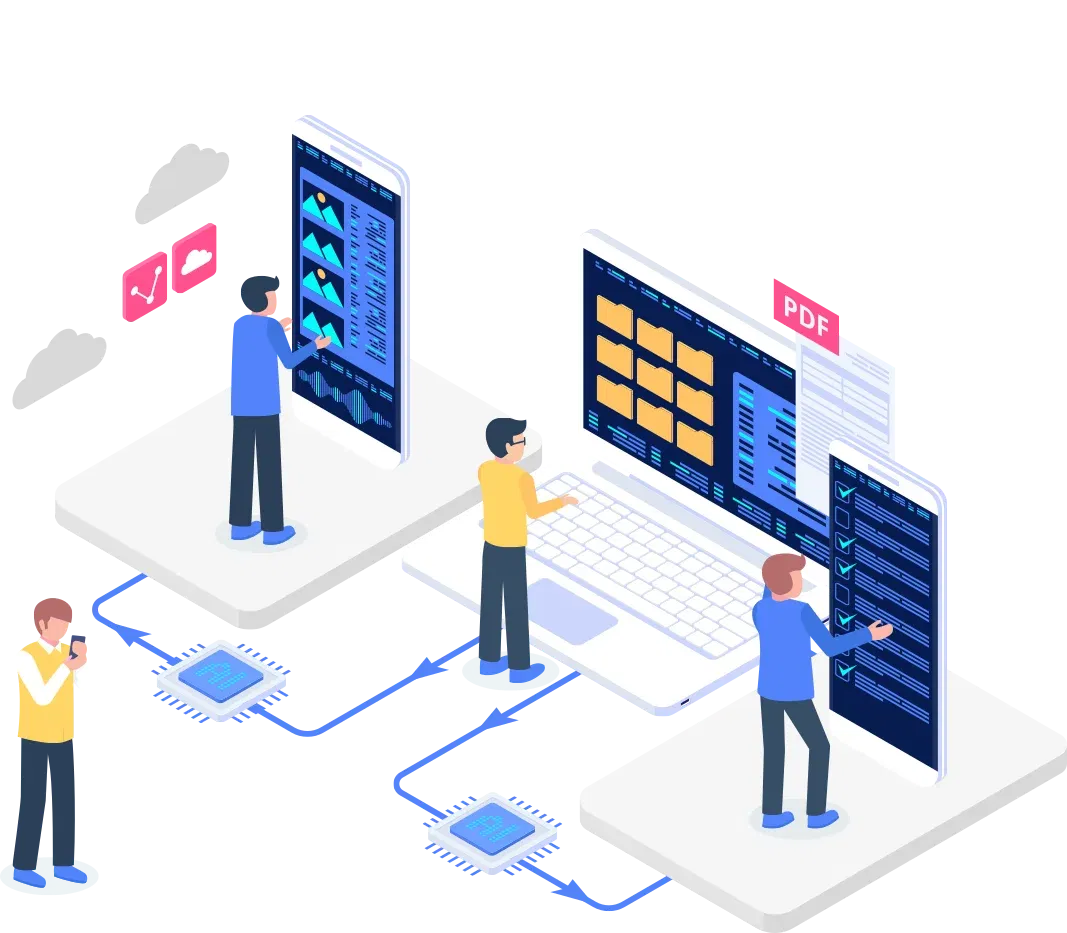
Engineers now complete closure information once within their existing workflow. The system automatically generates a structured PDF pack, combining job metadata and embedded photographs into a consistent, approval-ready document. A repeatable admin task disappeared from every visit.
To improve clarity without imposing rigid templates, we integrated AI-assisted refinement. Engineers write naturally; the system enhances consistency and readability. The result is less ambiguity at handover and smoother downstream processing.
Direct CRM integration ensures job data flows automatically into invoicing, timesheets, and product records - removing re-entry and reducing correction cycles.
We complemented this with a customer portal for ticket creation and live status checks, reducing inbound "progress-chasing" calls that interrupt operational teams.
Secure WireGuard-based VPN connectivity enables distributed staff to access core systems reliably, while Metabase dashboards provide operational leaders with a live view of throughput and bottlenecks.
"Workflows are quicker and more consistent. Engineers spend less time on admin, customers get clearer updates, and we've improved quality while scaling delivery."
The design intent was simple: fewer steps, fewer surprises, and no disruption to delivery momentum.
Built for the People Who Actually Use It
For engineers, closure became lighter. One structured input produces a complete evidence pack, with clearer notes and no duplicate system entry.
For supervisors, real-time job visibility allows earlier intervention when workloads shift or approvals stall. Status tracking is no longer reliant on inbox archaeology.
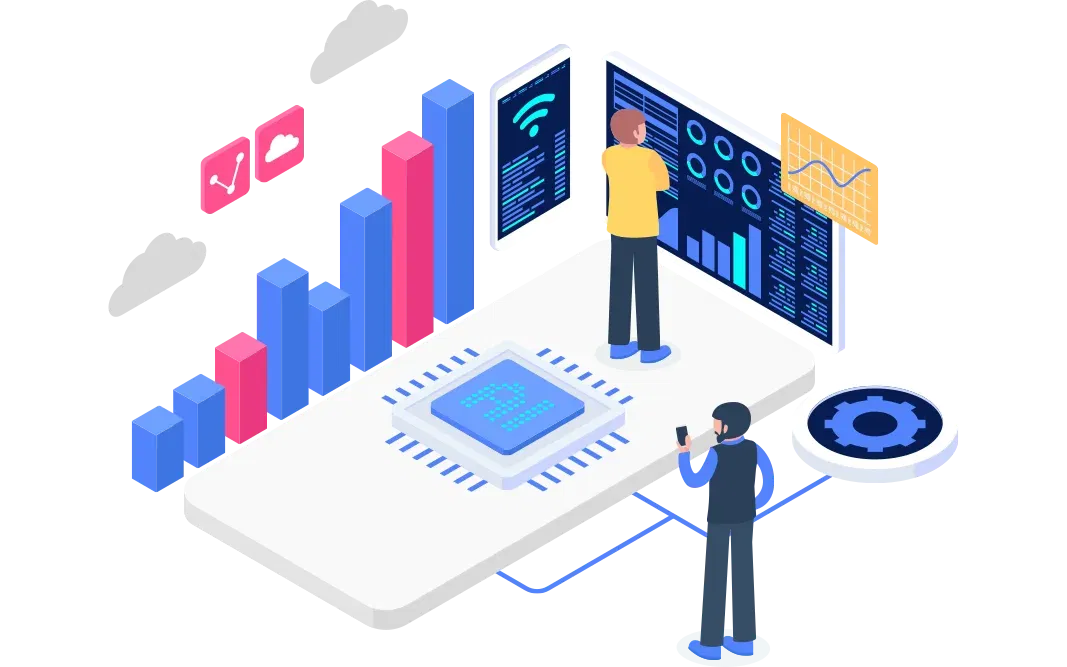
For management, CRM-linked data and live dashboards provide measurable throughput, billing readiness insight, and fewer blind spots between completion and invoicing.
The system supports performance rather than policing it - though it does make performance rather easier to evidence.
Introduced Without Interrupting the Day Job
The automation suite was layered into existing workflows and systems, not imposed as a wholesale replacement.
Engineers were not asked to learn an entirely new platform. CRM integrations operated behind the scenes. Reporting surfaced through intuitive dashboards rather than static exports.
Adoption followed practicality: if it made the day easier, it stayed.
What Changed in Measurable Terms
Operational improvements were visible within the first reporting cycle:
- 36% reduction in manual effort for closure documentation through automated PDF generation and structured capture
- 46% faster invoice processing, driven by CRM-linked job data and removal of re-keying
- Improved data accuracy through AI-assisted note refinement
- Clearer job visibility via centralised dashboards and real-time status tracking
Customer updates became more consistent. Approvals moved faster. Revenue followed suit.
From Admin Reduction to Operating Discipline
Beyond metrics, the business shifted from reactive clean-up to controlled completion.
Engineers close jobs with confidence that documentation will pass review first time. Supervisors act earlier when delays emerge. Finance teams trust the data entering billing.
Job closure moved from being an administrative hurdle to a reliable operational checkpoint.
Client feedback has been paraphrased from direct discussions. Names, roles, and identifying details have been anonymised to protect confidentiality.
Stop Letting Paperwork Set the Pace
When closure becomes predictable, billing does too - and engineers can finish their day without a second shift in documentation.